Need a driveway, slab, patio, foundation, or concrete repair? Get a clear estimate based on the work your property actually needs, not a guess from square footage alone.
From a cracked driveway to a new shop slab, start with the job in front of you. The right scope depends on how the concrete will be used, what is under it, how water moves, and what has to come out first.
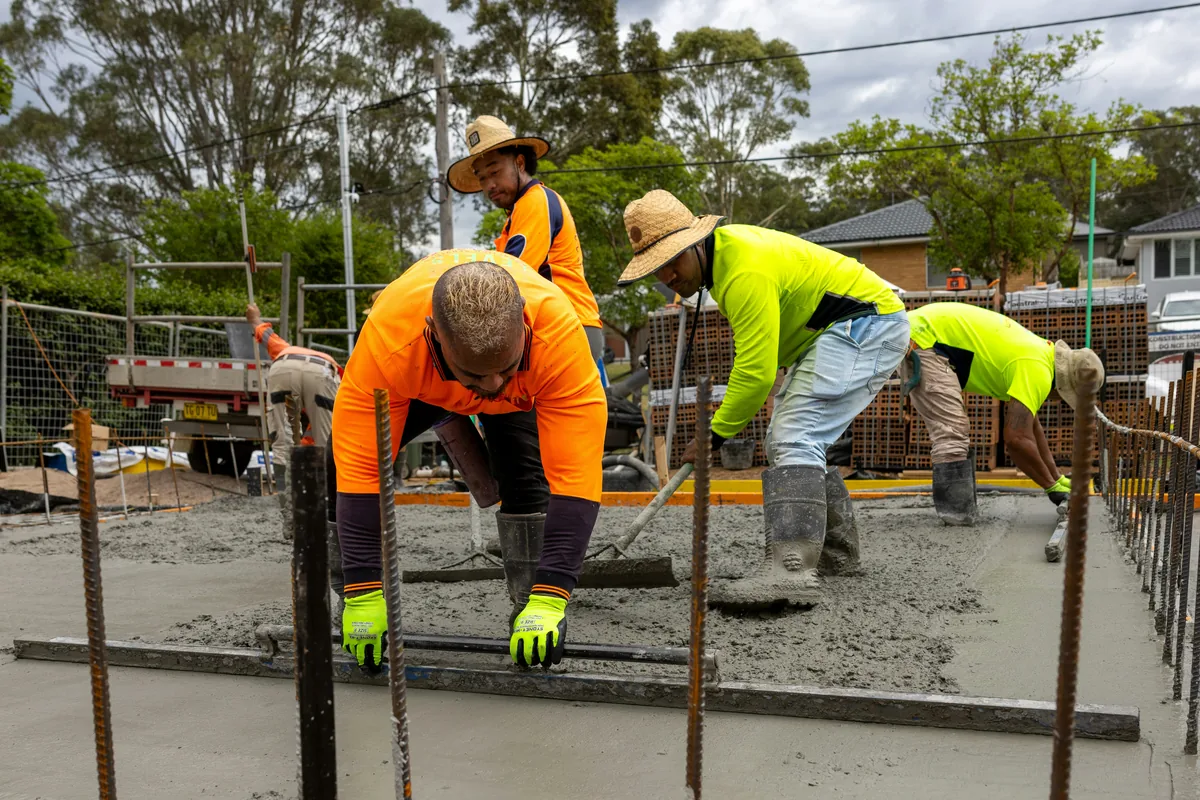
Cracked, narrow, or ready for replacement? Plan the tear-out, base, drainage, thickness, and finish before the pour.
Driveway Options ->
Garage, shop, shed, and equipment slabs built around the load, base, reinforcement, utilities, and final use.
Slab & Pad Options ->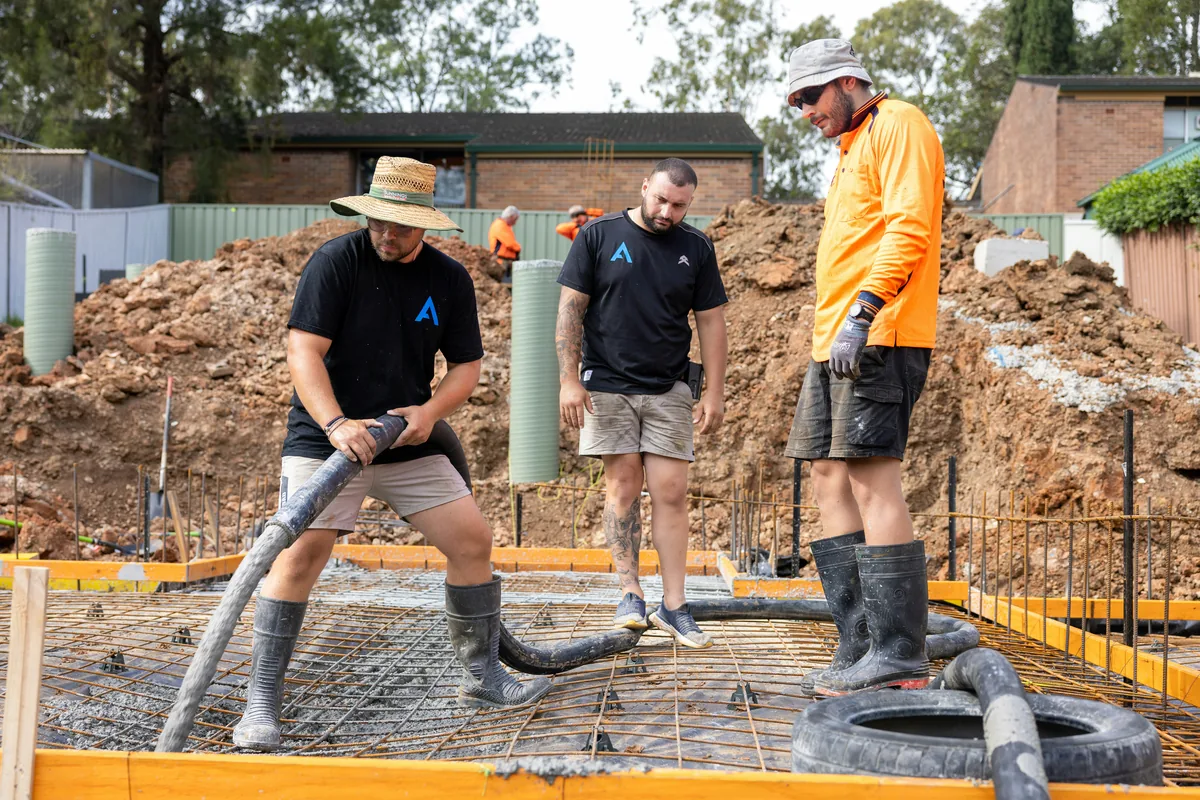
Slab foundations and footings for additions, garages, shops, and new builds where prep and inspection timing matter.
Foundation Options ->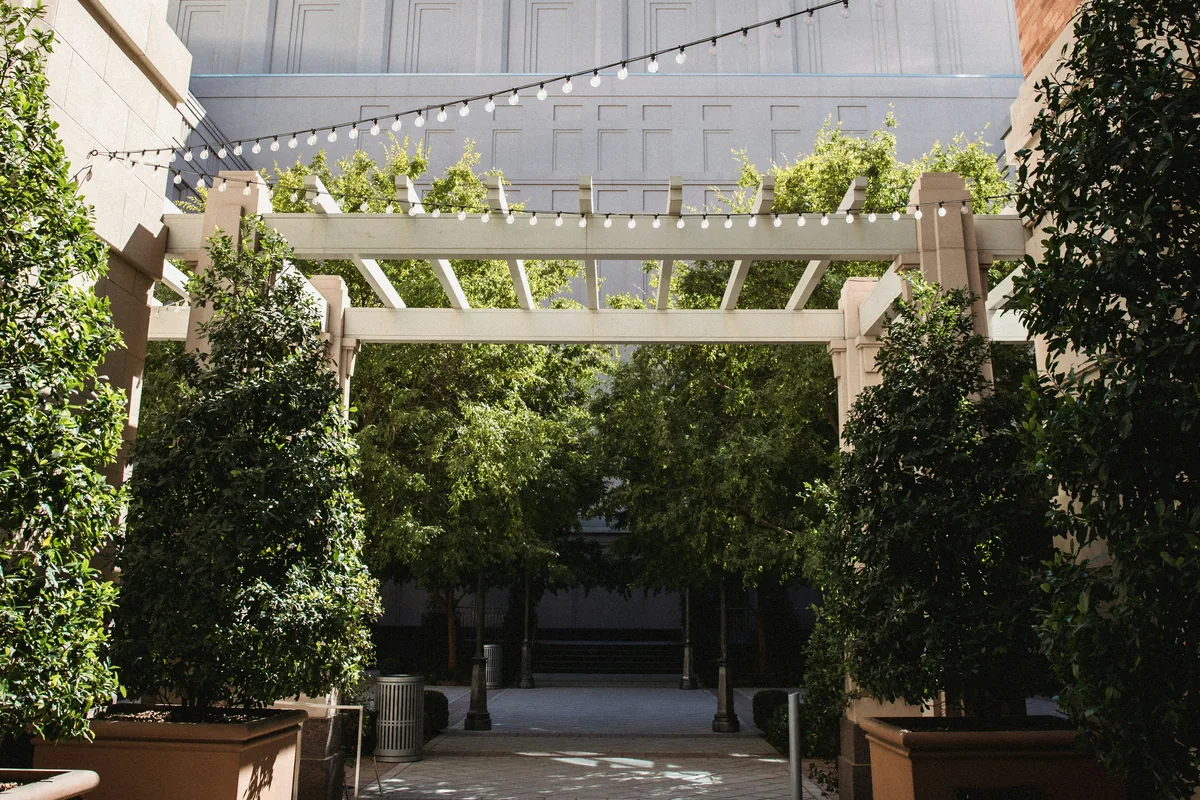
Turn an unused backyard area into a clean outdoor surface with the right slope, layout, finish, and drainage.
Patio Options ->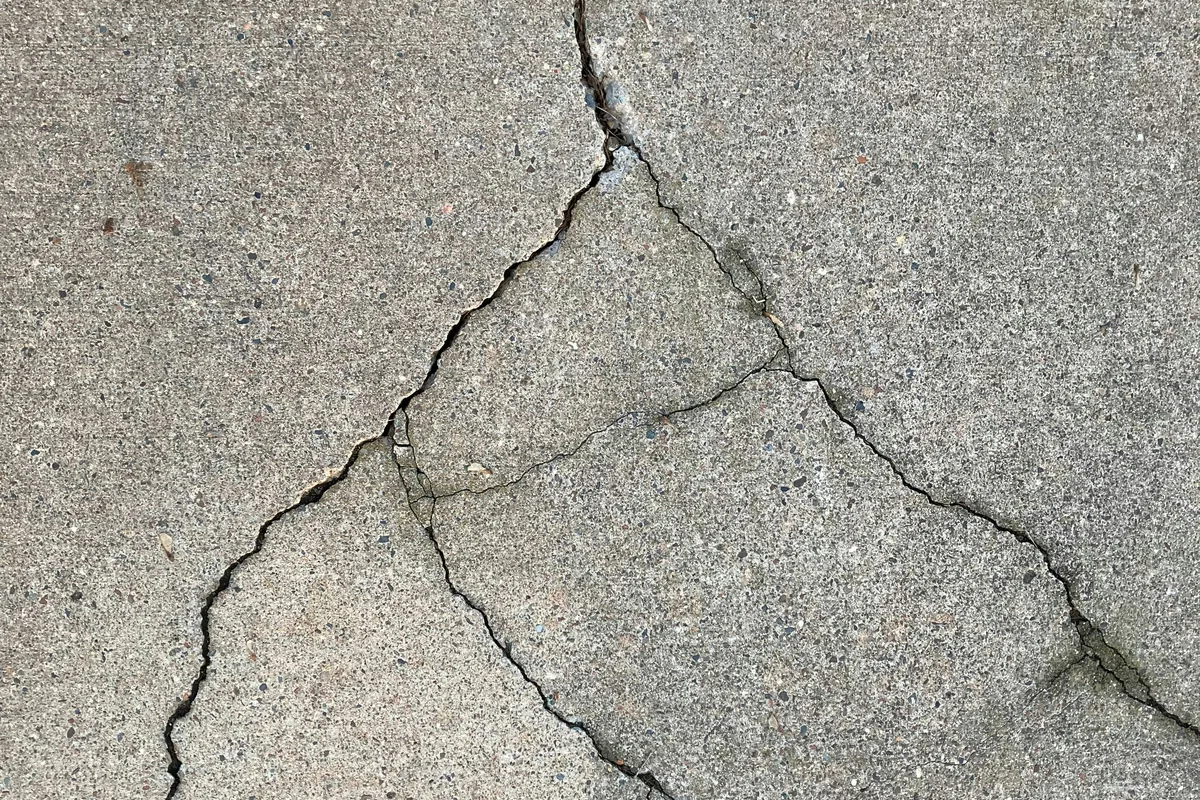
Cracks, broken edges, sinking sections, and worn concrete. Find out when repair makes sense and when replacement is smarter.
Repair Options ->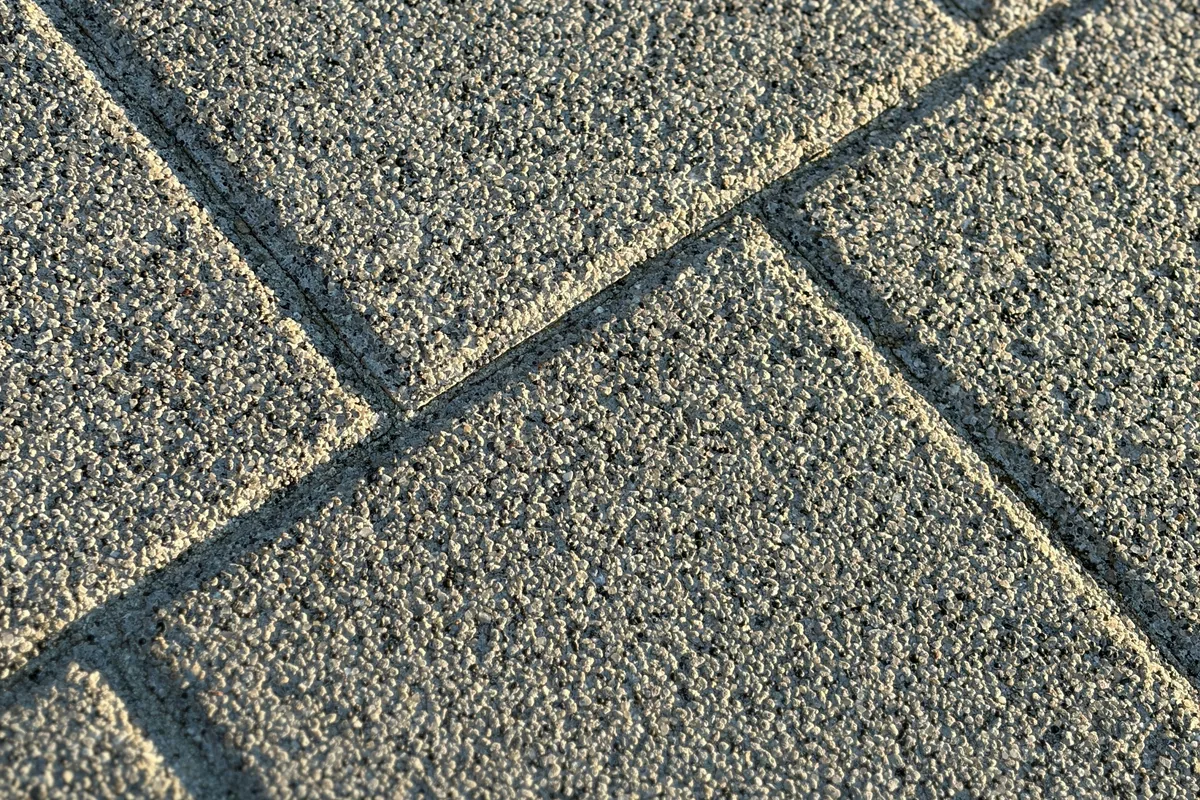
Add texture, pattern, borders, or color to patios, entries, and walkways without giving up a durable concrete surface.
Decorative Options ->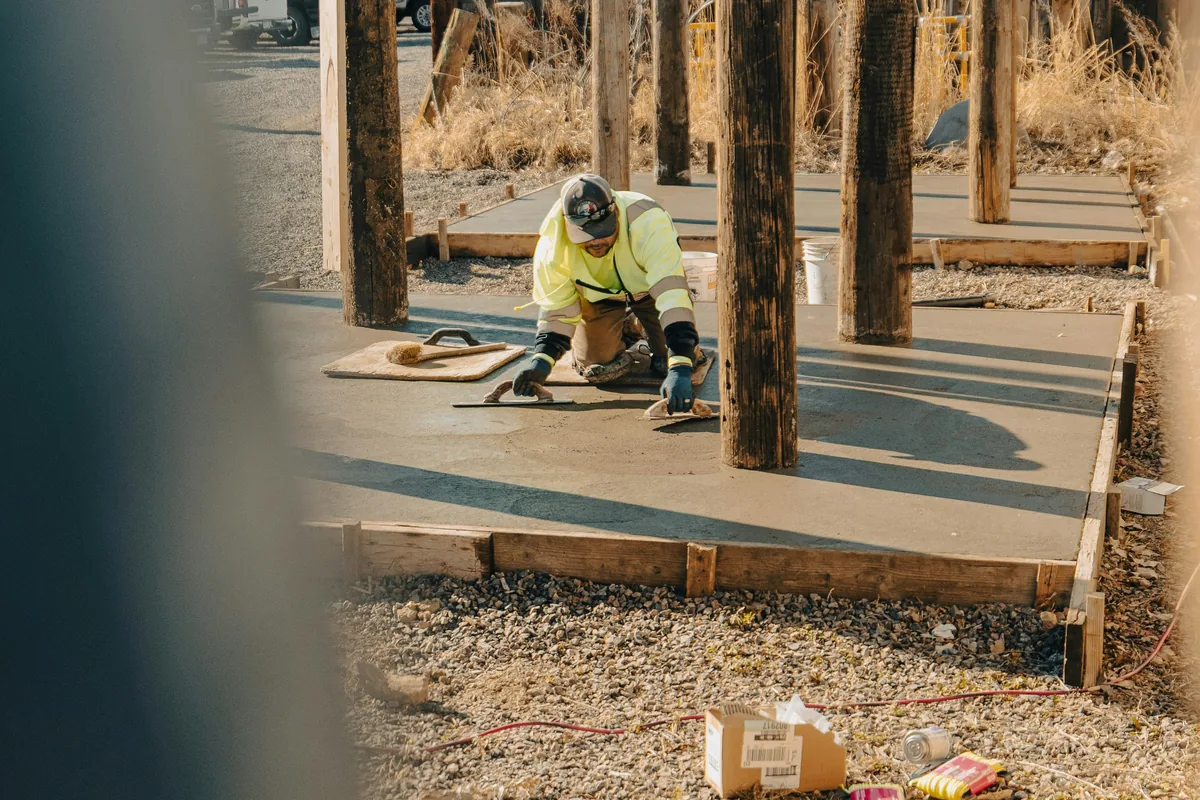
Replace uneven walks or add a cleaner path between the driveway, entry, backyard, shop, or side yard.
Walkway Options ->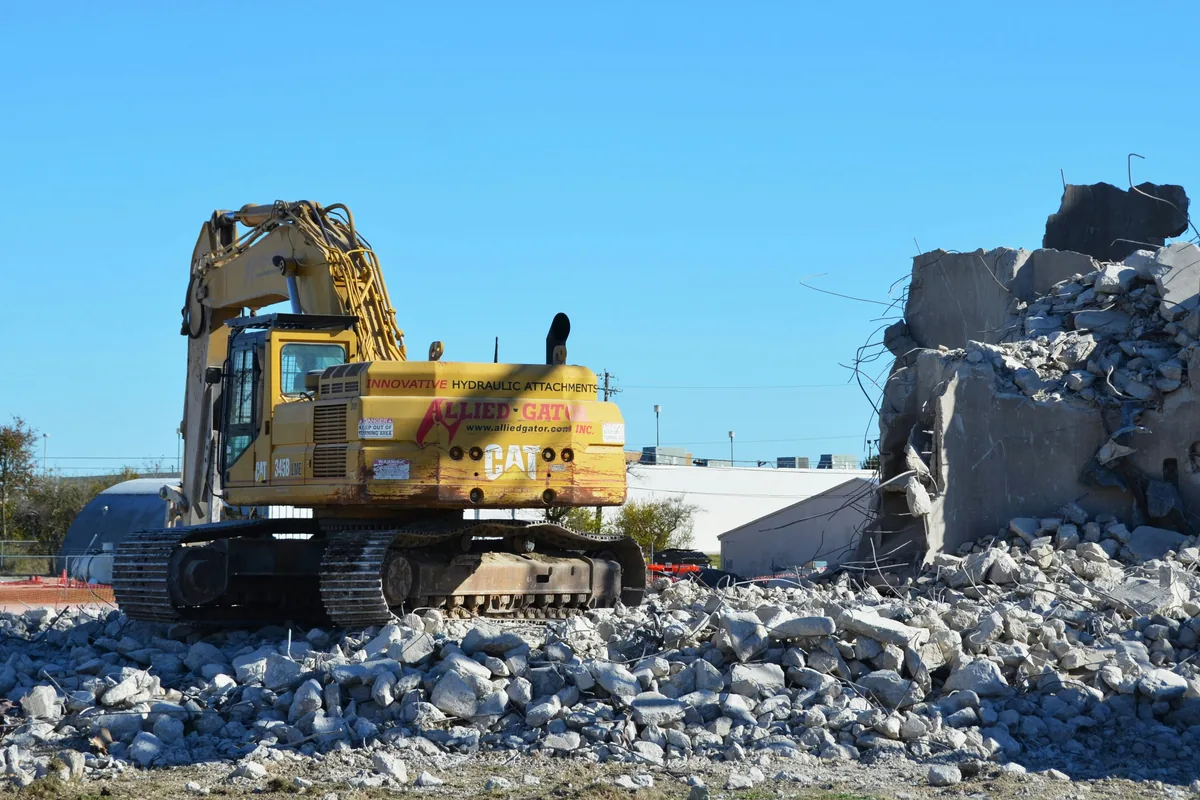
When old concrete is too broken, settled, or poorly drained to save, start fresh with removal and a better plan underneath.
Removal Options ->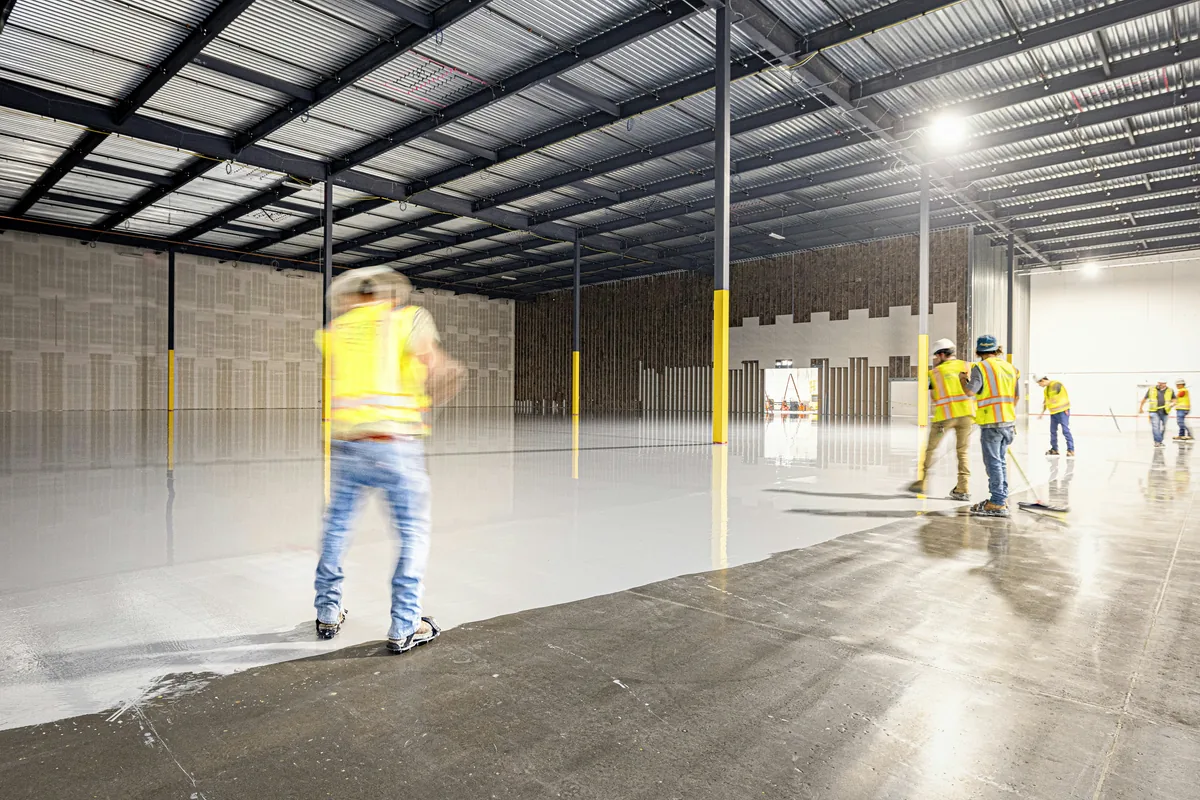
Flatwork, slabs, pads, access areas, and other concrete projects for businesses and working properties.
Commercial Options ->
A slab can look great when it is fresh and still become a problem later. If the quote leaves out the base, drainage, thickness, reinforcement, joints, or removal, you may not be comparing the same job.
You do not need to know every construction detail before you reach out. Start with the project, the location, and the problem you want solved.
Driveway, slab, patio, foundation, repair, sidewalk, or commercial work. Add a rough size if you know it.
Old concrete, access, drainage, intended use, finish, and any photos help make the scope easier to understand.
Your project details are reviewed so the next conversation can focus on the real work instead of starting from zero.
The USDA describes the Victoria soil series as very deep, clayey, and very slowly permeable. That does not mean every property has the same soil, but it is a good reason to take drainage, grade, base preparation, and the actual site seriously.
Look at the street connection, garage height, drainage, existing cracks, tear-out, vehicle loads, and transitions before pricing the replacement.
Building size, vehicles, equipment, below-slab utilities, reinforcement, edges, and final floor use can change the slab plan.
Structural plans, reinforcement, utilities, inspections, base conditions, and drainage need to line up before concrete is placed.
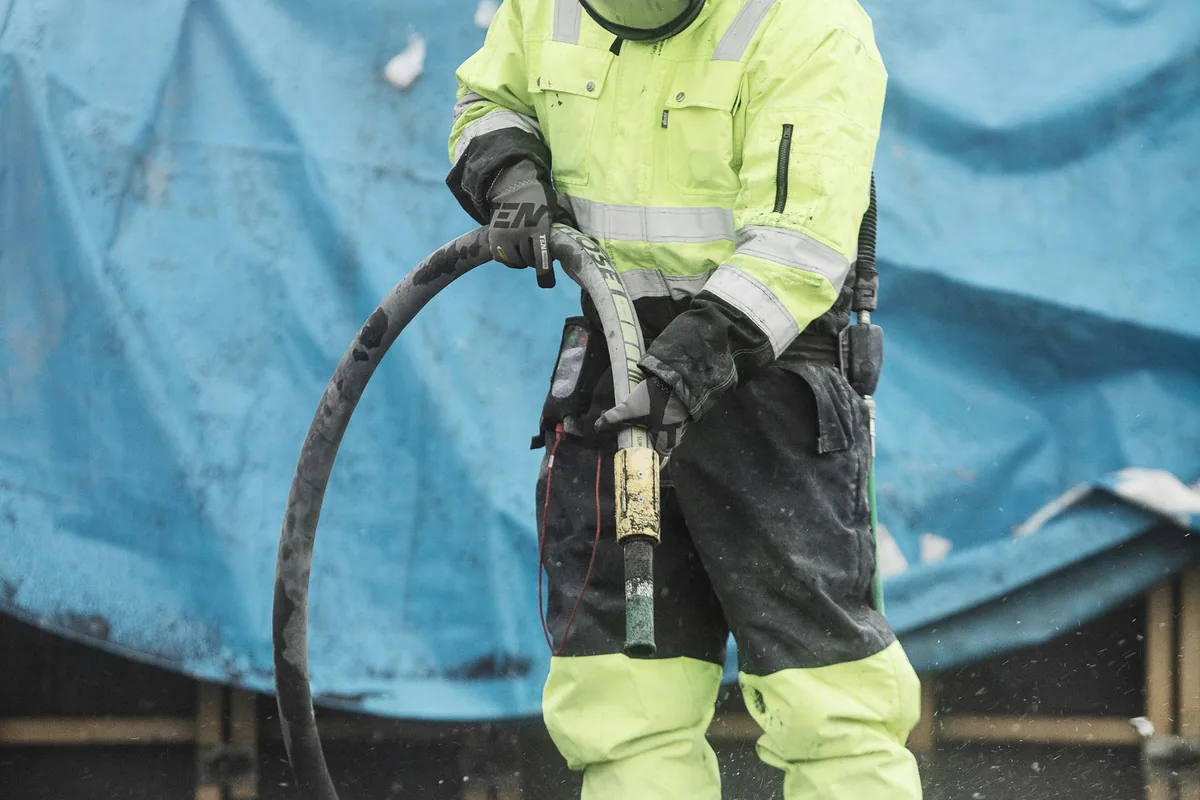
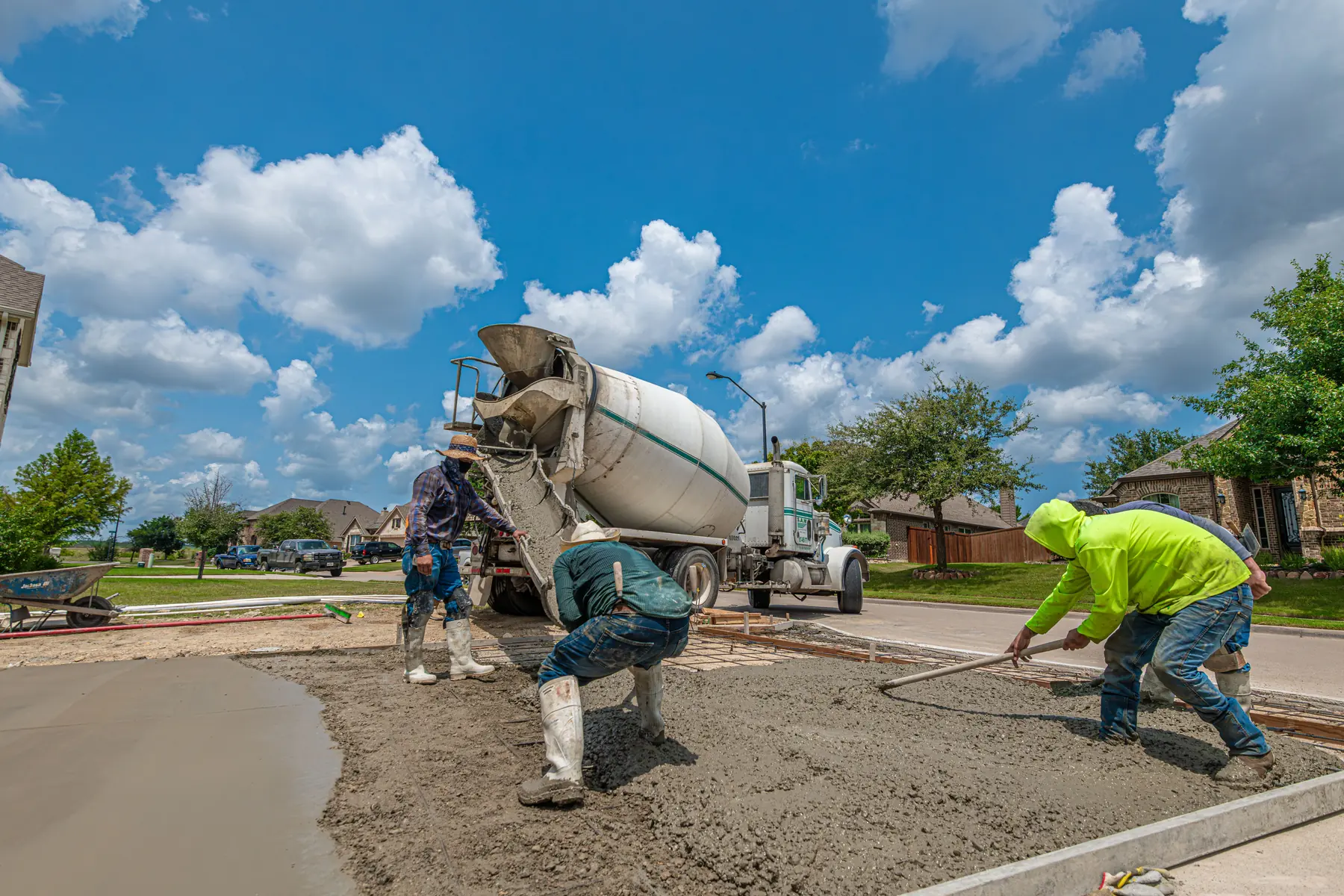
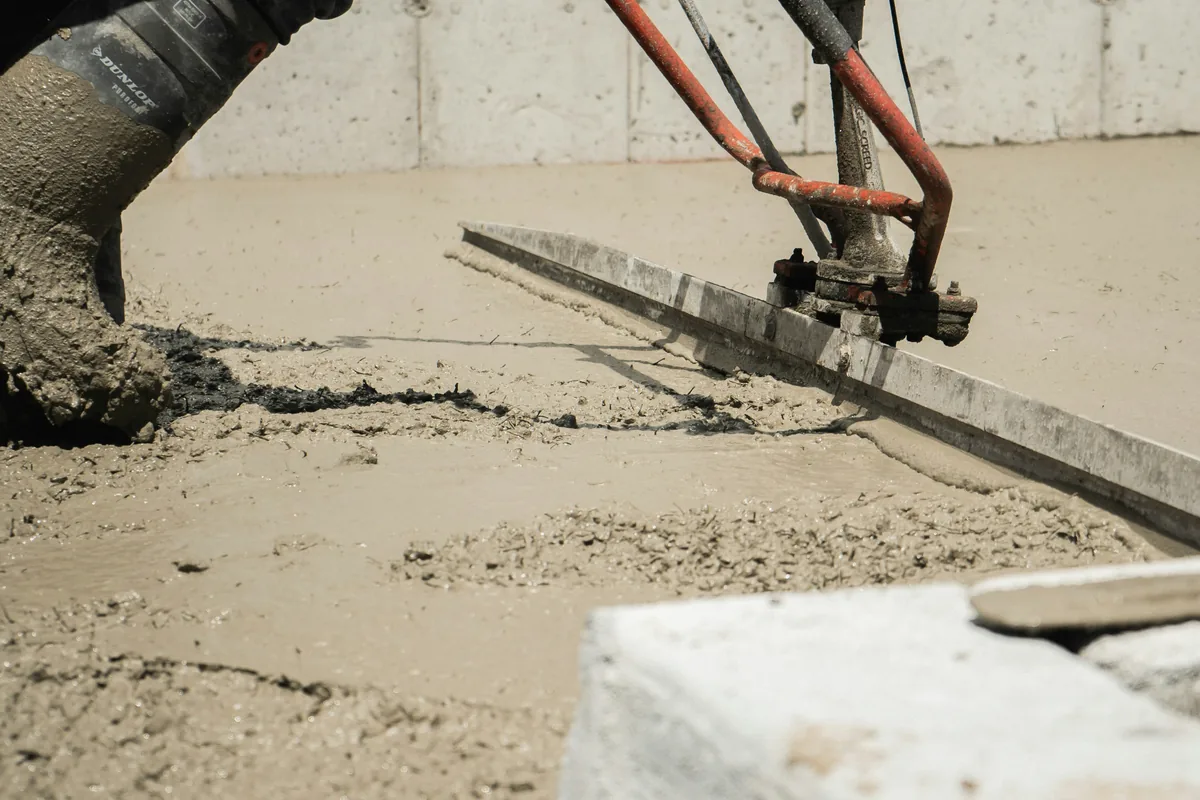
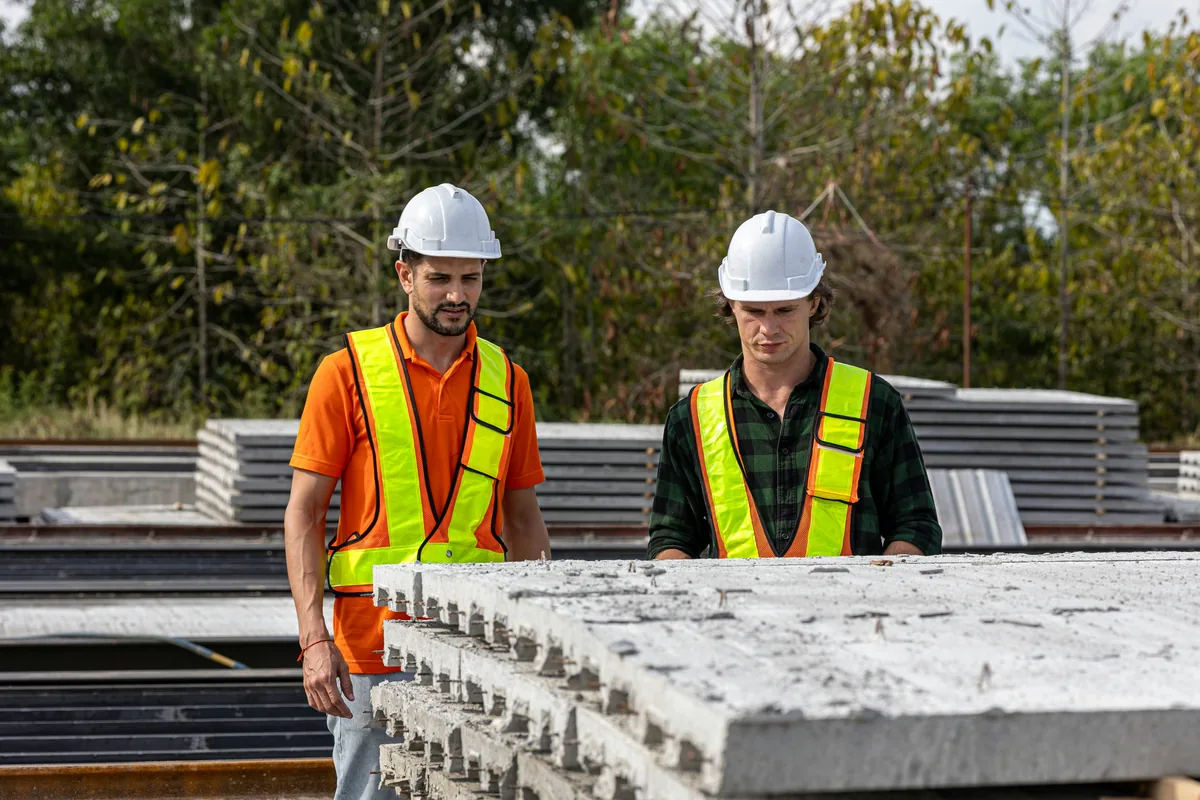
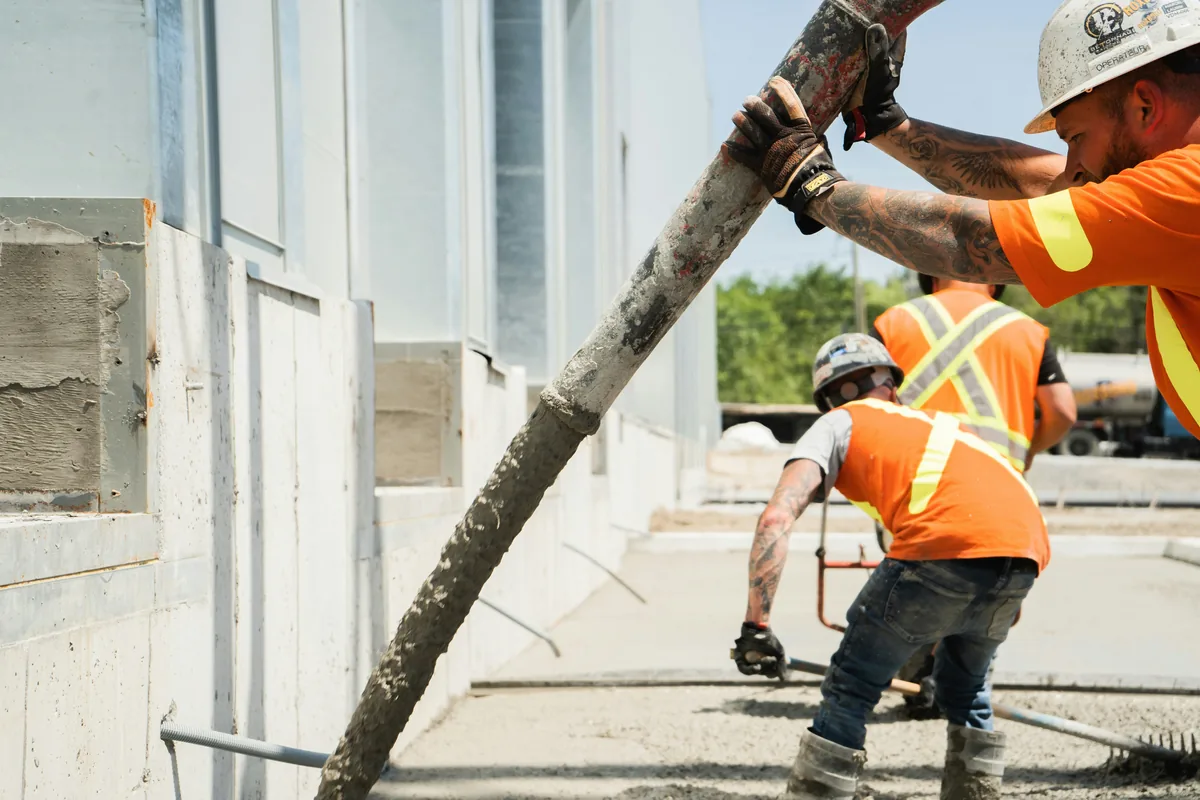
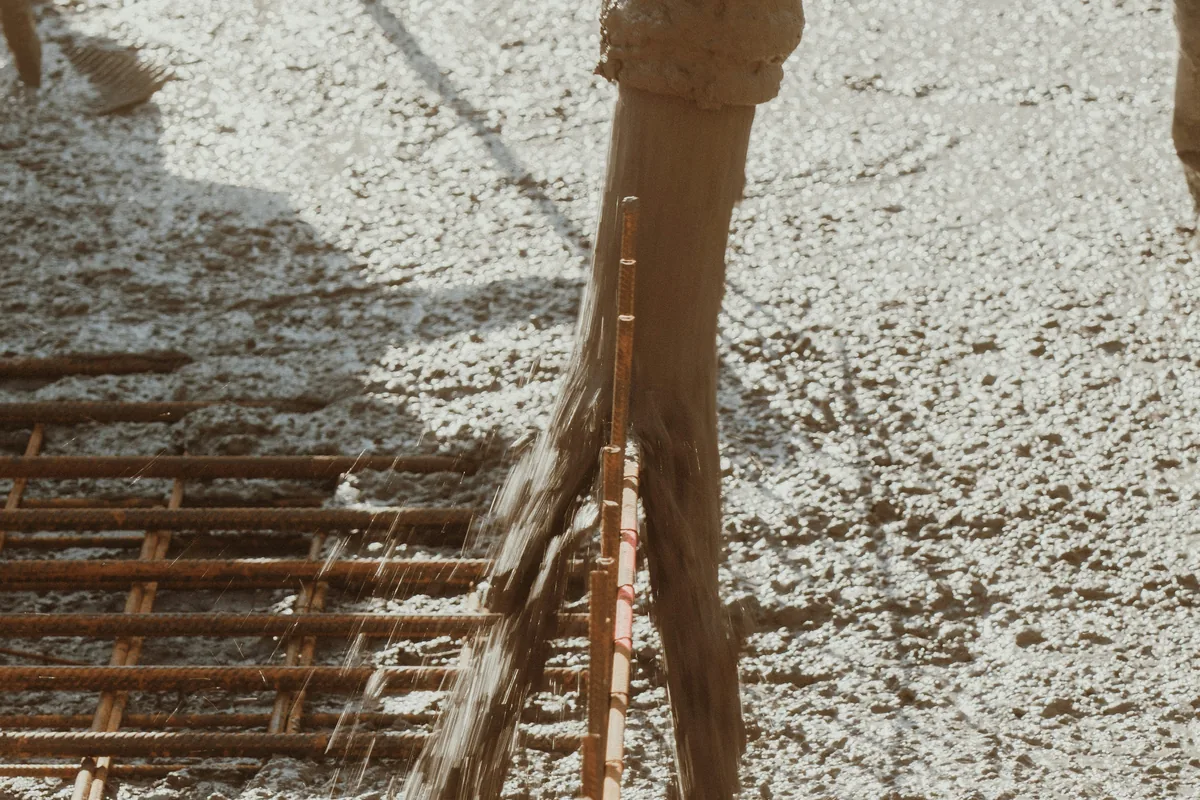
Good concrete work is a series of steps: prep the ground, set the forms, place reinforcement where needed, pour, finish, joint, and cure the surface for its intended use.

A good concrete quote should make the work easier to understand, not harder.
Request a Free EstimateTell us what you need, where the property is, the rough size if you know it, and whether old concrete has to come out.